Distributed fiber optic sensing

One strand of glass.
Every metre listening.

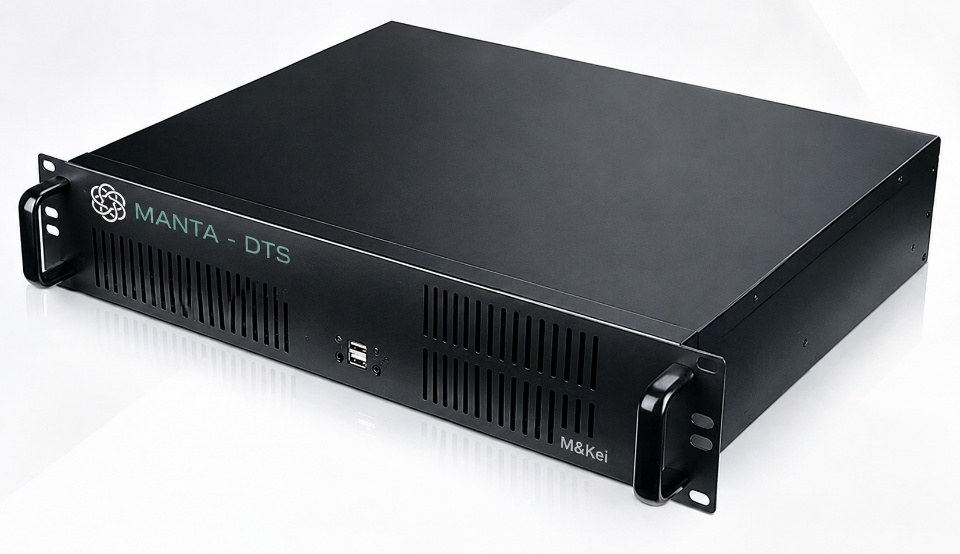
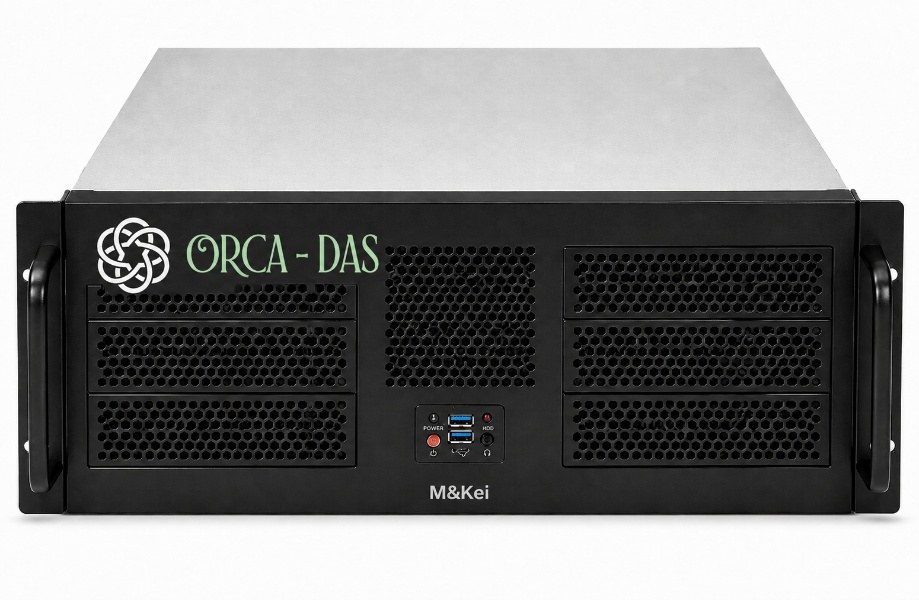
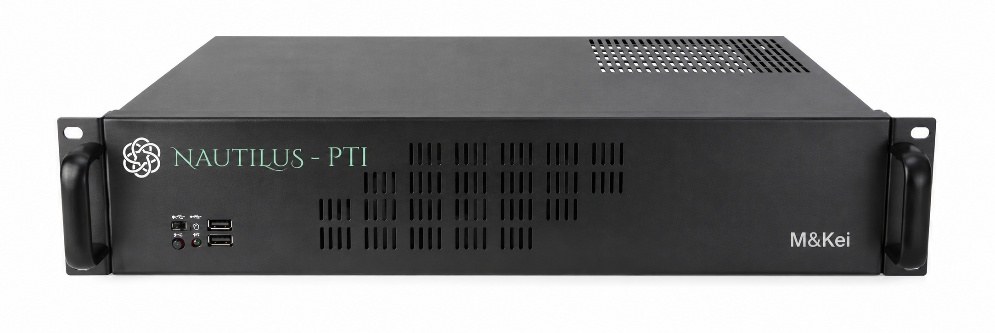
M&Kei designs fiber optic sensing systems that turn ordinary cable into a continuous sensor — built for operators who need to monitor strain, vibration and temperature across pipelines, wellbores and mine workings without sending someone to look.

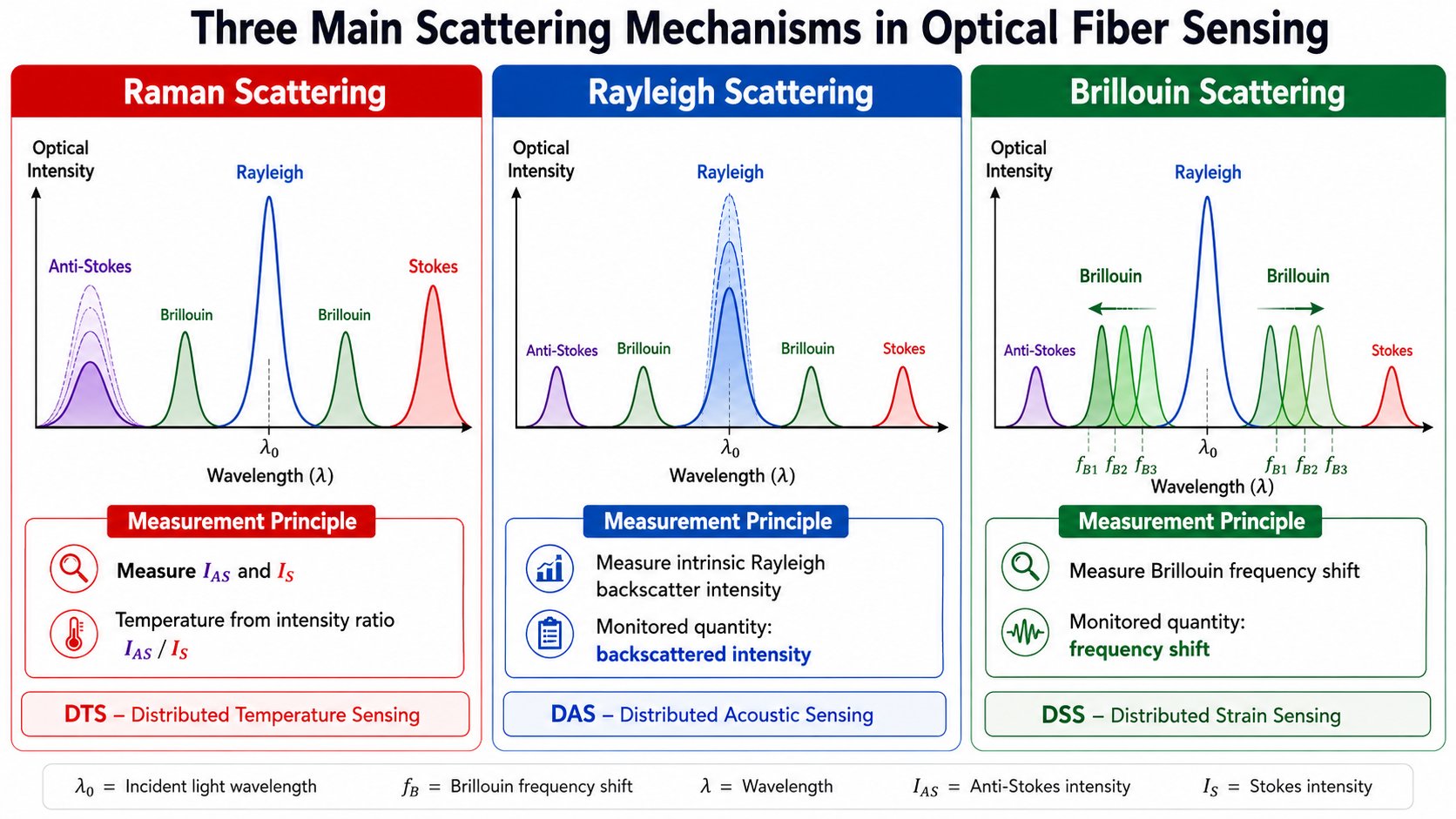
DAS
Vibration & acoustic sensing
DTS
Temperature profiling
DSS
Strain & ground movement
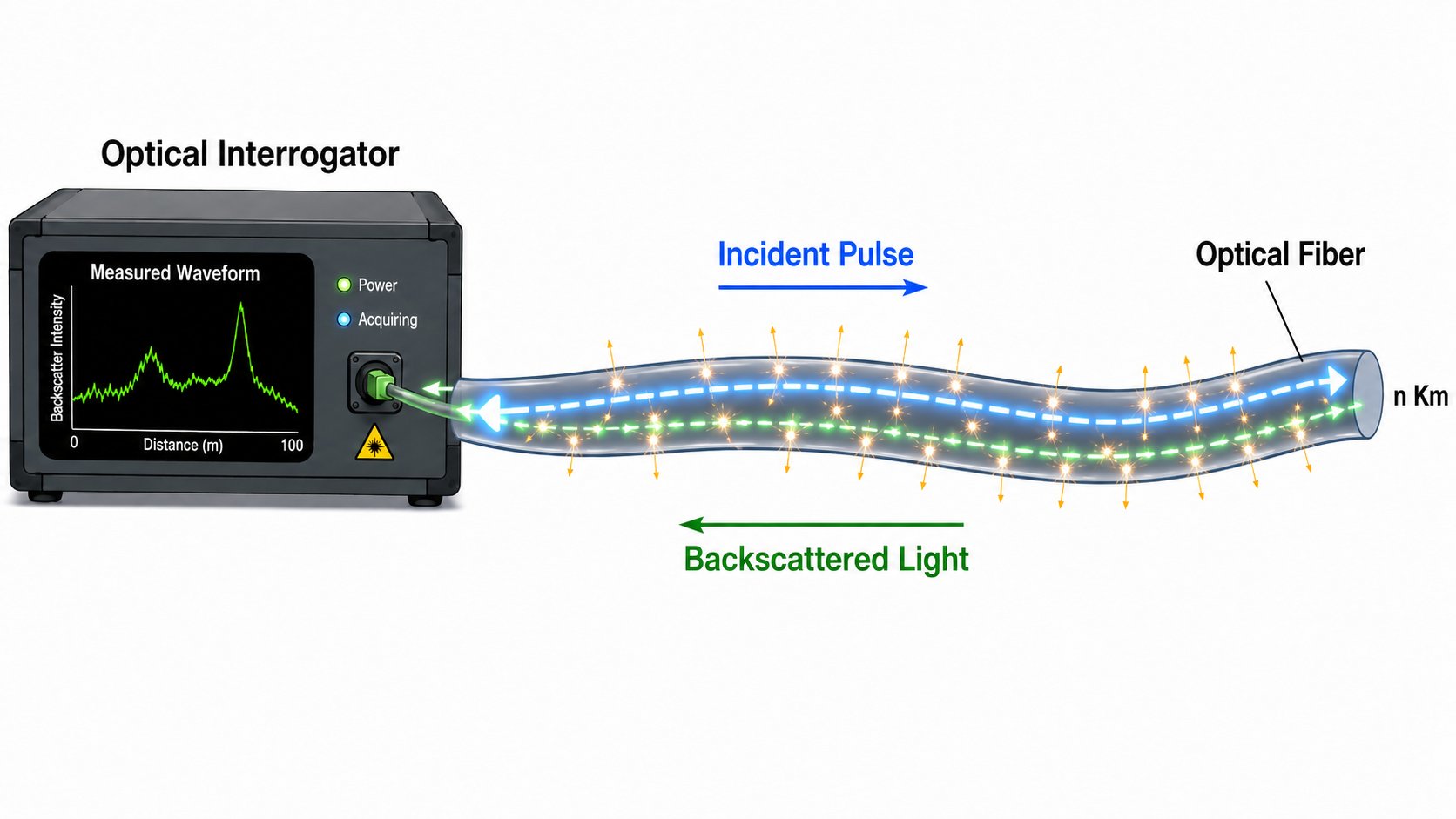
Diagram of the three main scattering mechanisms in optical fiber sensing — Raman scattering for DTS, Rayleigh scattering for DAS, and Brillouin scattering for DSS — showing optical intensity spectra and measurement principles for each

M&Kei is a UK-based engineering company developing distributed fiber optic sensing (DFOS) systems for energy and mining operators who need to know what is happening along kilometres of asset, continuously, without sending anyone there to look.

We work at the intersection of photonics hardware and field engineering: developing the interrogator systems that pulse light down a fiber, and the signal processing that turns the returning light into a usable picture of strain, vibration and temperature. We're also building an advisory practice for operators who already own fiber assets and want to know how to light them up for sensing rather than running new infrastructure.

Focus sectors Oil & gas, mining
Technology direction DAS / DTS / DSS / FBG / FPCavity
Based in United Kingdom
// Technology

Light goes in. A map of physical events comes out.

A laser pulse travels down the fiber. Microscopic imperfections scatter a fraction of that light straight back. Anything that disturbs the glass — a vibration, a strain, a temperature shift — changes that backscatter in a way our systems can locate and measure.

Diagram showing a laser pulse travelling down an optical fiber, generating backscattered light that returns to an optical interrogator for measurement

Distributed Acoustic Sensing (DAS)

Detects vibration and acoustic energy along the full fiber length — used for leak detection, third-party intrusion, and seismic monitoring around wells and pipelines.

Distributed Temperature Sensing (DTS)

Profiles temperature continuously along the fiber — flow allocation in wellbores, hotspot detection in conveyors, and thermal monitoring of cable and equipment.

Distributed Strain Sensing (DSS)

Measures static and slow-moving strain — ground movement, pipeline bending, and structural deformation in tailings dams and mine slopes.

[ PLACEHOLDER — add when ready ]

Our current technical approach

This is where you describe your specific method — e.g. which interrogation technique you're working with (phase-sensitive OTDR, Brillouin scattering, etc.), what stage the prototype is at, and what makes your approach different. Replace this block entirely once the technical direction is firmed up.

// Custom development

Build your own sensing product on our technology base.

For companies that want to bring a fiber sensing product to market under their own brand — whether starting from nothing or looking to upgrade an existing system — we provide the underlying technology so you don't have to build the photonics and signal processing stack from scratch.

Hardware

Interrogation systems

Custom-built or adapted interrogator hardware for DTS, DAS, DSS, and fiber-optic pressure gauge demodulation — engineered to your measurement range, environment, and form factor.

Industrial design

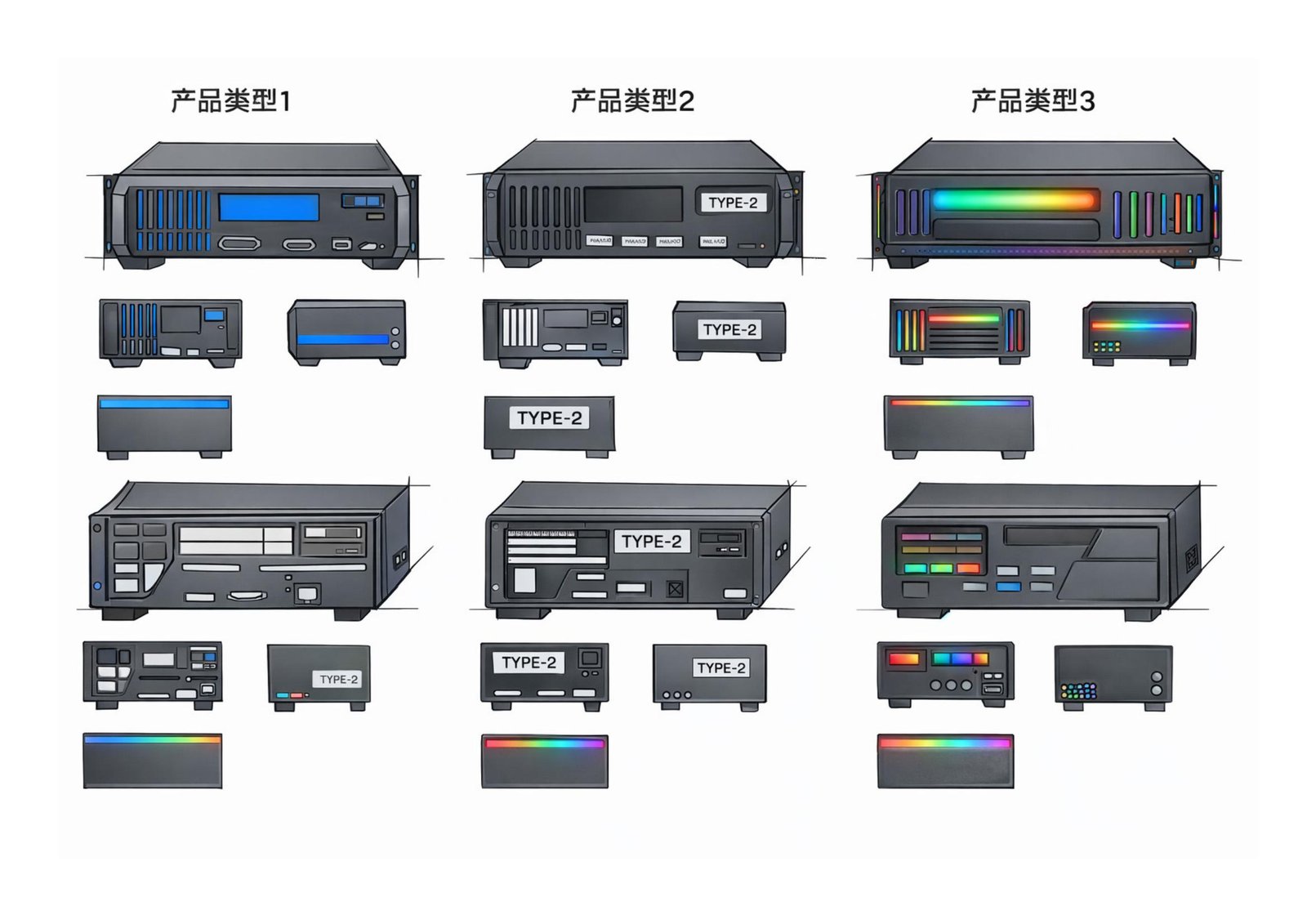
Enclosure design

Built around how and where your equipment will actually be deployed:

  • Structural — shock & vibration resistance, dust and ingress protection, thermal management
  • Form factor — 19" rack-mount, standalone compact units, or ruggedised storm-box enclosures for exposed field sites
Software

Data processing, interface & domain logic

Pre-configured signal processing pipelines, the user interface layer your customers interact with, and domain-specific interpretation methods for your target industry — plus the communication interfaces needed to integrate with their existing systems.

AI & algorithms

Custom model development

Support developing and training custom AI algorithms on your sensing data — from event classification to anomaly detection — tailored to the patterns specific to your application.

[ PLACEHOLDER — add when ready ]

Engagement model & terms

Use this space to describe how a custom development engagement typically works — IP ownership terms, whether you white-label or co-brand, minimum project scope, and typical timelines from initial spec to working prototype.

// Applications

Where we're focused, not where we've already been.

Two industries, the same underlying need: knowing the condition of a long, remote, often inaccessible asset before it becomes a costly or dangerous problem. These are the use cases we're designing toward.

Oil & gas

Pipelines & wellbores

Continuous monitoring along transmission lines and downhole, where physical inspection is expensive, slow, or impossible.

  • Leak and rupture detection
  • Third-party interference / intrusion alerts
  • Downhole flow profiling
  • Wellbore integrity monitoring
Mining

Slopes, dams & workings

Early warning on ground movement and structural change across open-pit slopes, tailings dams and underground workings.

  • Tailings dam strain monitoring
  • Slope stability & ground movement
  • Conveyor and cable hotspot detection
  • Underground microseismic activity
[ PLACEHOLDER — add when ready ]

Case studies & pilot results

Once you have a pilot, prototype test, or early customer engagement to point to, replace this block with a short case study: the site, the problem, what you measured, and the outcome. Real numbers and a real site name carry far more weight here than generic claims.

// Services

From feasibility to a system that runs unattended.

We engage either as a system builder delivering hardware and software, or as a technical advisor to teams designing their own sensing strategy.

01

Feasibility & site assessment

Evaluating existing or planned fiber assets, sensing requirements, and environmental conditions to determine the right sensing approach before any hardware is specified.

02

System design & build

Interrogator hardware, signal processing, and integration design tailored to the asset — pipeline route, wellbore geometry, or mine layout.

03

Deployment & commissioning

Installation, fiber splicing and termination, baseline calibration, and on-site validation against known events.

04

Technical advisory

Independent guidance for operators evaluating DFOS vendors, lighting up dark fiber already in the ground, or integrating sensing data into existing SCADA and monitoring systems.

Tell us about the asset you need to monitor.

Whether you're scoping a new pipeline, evaluating dark fiber you already own, or comparing DFOS vendors for a mine site — we're glad to talk through the engineering before anything else.

Company M&Kei Ltd, United Kingdom
We typically respond within two business days.